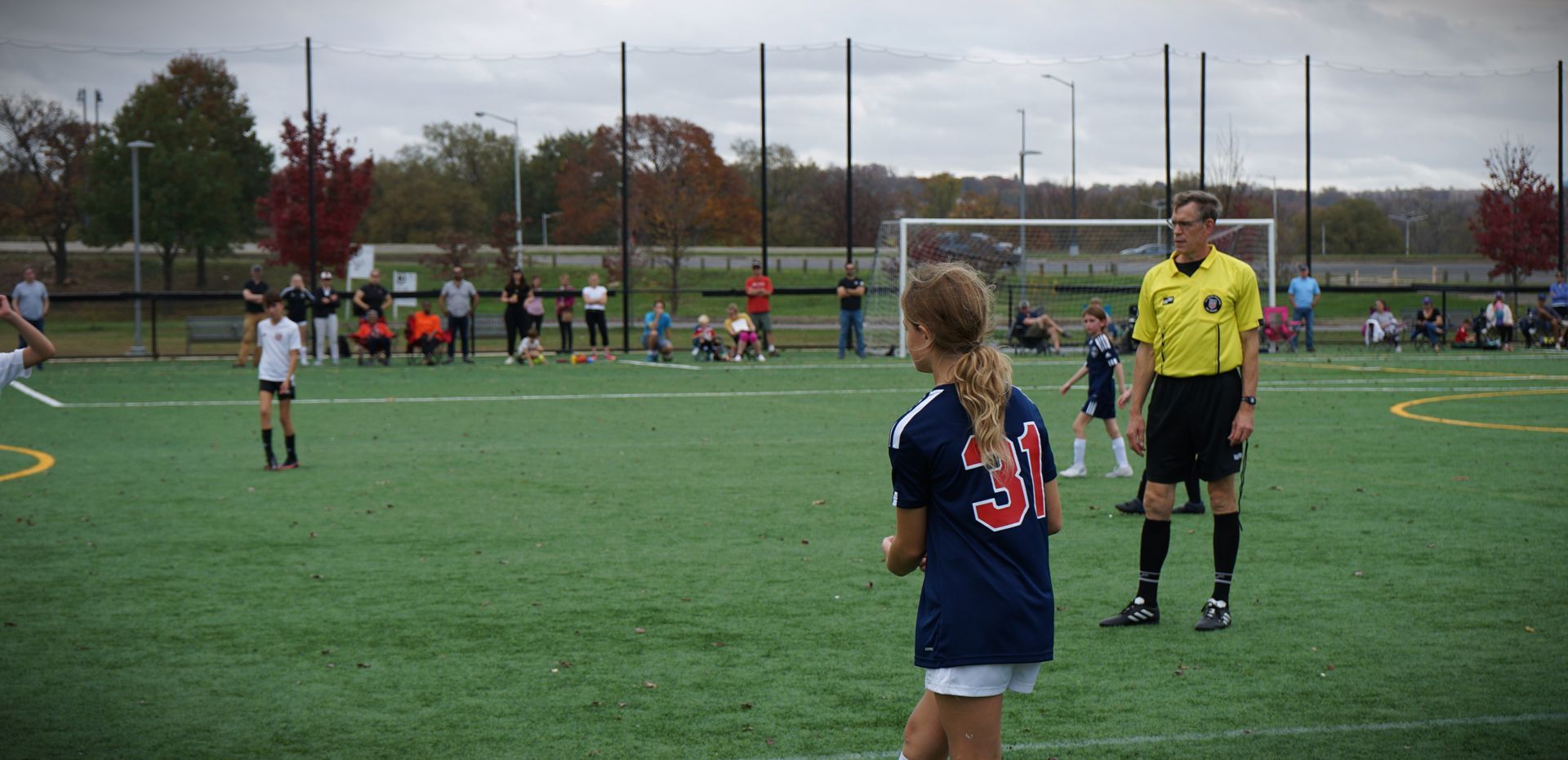
With ACL injuries recently back in the national spotlight after a New York Times article highlighting rising injury rates for female athletes, DC Soccer Club is committed to ensuring our families have access to trusted, expert guidance on injury prevention and player health.
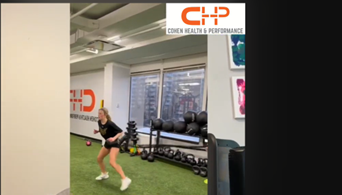
As part of that commitment, we are proud to partner with Cohen Health and Performance, a leading provider of physical therapy and performance training for young athletes and active individuals. Cohen Health & Performance offers comprehensive services including return-to-play rehabilitation, high school performance training programs, adult personal training, and individualized development programs designed to support long-term athletic success.
DCSC families can connect directly with Cohen Health & Performance to access these services and receive personalized support from experienced professionals who understand the demands of youth sports and long-term athlete development: https://cohenhp.com/
The following article is provided by Cohen Health & Performance as part of our ongoing partnership and commitment to player wellness.
Editor's note: The article has been slightly revised.
Understanding ACL Injuries — and How to Reduce Risk
By Zachary Cohen, CHP
With ACL injuries continuing to make headlines, I was reminded of an article from last year that really stopped me in my tracks.
It highlighted a troubling trend that continues to impact athletes today.
At one point last year, Katie Lou Samuelson, a veteran WNBA player for the Seattle Storm, became the third athlete on her team to tear her ACL before the season even started.
And she’s not alone.
According to the American Journal of Sports Medicine, female athletes are 4 to 8 times more likely to tear their ACL than males in the same sport.
Even more surprising, 70% of these injuries are non-contact. No collisions, no tackles—just movement gone wrong.
But why is this happening?
Here’s the short version:
Anatomical differences like wider hips, muscle imbalances, and poor control during cutting, jumping, or landing all play a role. And unless these risks are addressed, the chances of an ACL tear remain high.
That’s where smart, targeted training and physical therapy come in.
While ACL injuries cannot be fully prevented, we can significantly reduce risk by:
- Strengthening key muscles like glutes, hamstrings, and core
- Improving landing and cutting mechanics through sport-specific drills
- Using advanced force plate data to personalize each athlete’s program
- Building not just strength, but speed and control under real-world conditions
Whether you're an athlete, coach, or parent, the time to act is before an injury sidelines you or your athlete for 9–12 months.
🎥 We recorded a short video diving deeper into this topic
👉
Watch the full video here!
If you’re ready to take the next step, you can learn more or schedule an assessment by visiting: 👉 https://cohenhp.com
Let’s keep athletes healthy, strong, and in the game.
— Zac
Dr. Zachary Cohen, PT, DPT, CSCS
Founder, Cohen Health and Performance